










Why Neuroplasticity Matters Today
Our brain is far more adaptable than scientists once believed. For decades, the prevailing view was that the brain could only change to a limited extent after childhood. Modern neuroscience, however, paints a very different picture: the brain remains capable of learning, adapting and developing throughout our entire lives.
This ability is known as neuroplasticity.
Neuroplasticity describes the brain’s capacity to form new neural connections, reorganise existing networks and adapt to new experiences. It plays a central role in learning, memory, emotional development and mental health.
In recent years, another field of research has gained considerable attention around the world: the potential effects of psychedelics on neuroplasticity.
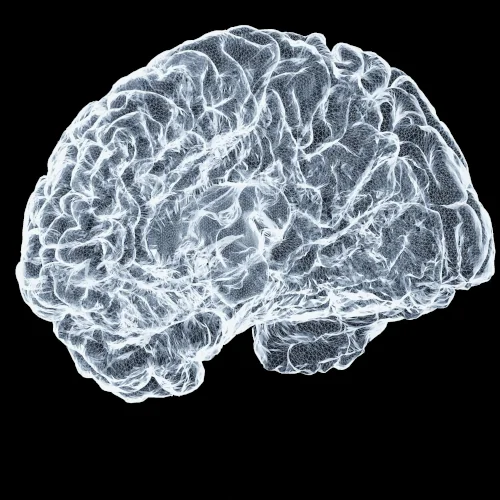
What Is Neuroplasticity?
Every thought, every experience and every new skill leaves a trace in the brain.
Neural networks are constantly changing through:
- learning new skills
- emotional experiences
- social interactions
- meditation
- psychotherapy
- physical activity
Neuroplasticity allows the brain to respond to change and develop new patterns of thought and behaviour.
This adaptability is especially important when people want to overcome unhelpful habits, negative thought patterns or emotional blocks.
Why We Develop Entrenched Thought Patterns
The brain is designed to work efficiently.
Thoughts and behaviours that are repeated over time gradually become automatic. This creates stable neural pathways that help the brain conserve energy.
In itself, this process is useful.
It can become problematic, however, when negative patterns grow increasingly fixed.
Examples include:
- chronic overthinking
- self-criticism
- cycles of anxiety
- destructive habits
- emotional avoidance
The more frequently these patterns are activated, the stronger the underlying neural networks can become.
For this reason, many psychological approaches aim to establish new ways of thinking and behaving while gradually changing existing patterns.

Psychedelics and the Flexible Brain
Modern research is exploring whether certain psychedelics can temporarily create a state of increased neural flexibility.
Psilocybin is one of the substances being studied most extensively.
Psilocybin interacts with serotonin receptors in the brain and influences communication between different brain regions. Brain imaging studies suggest that, during a psilocybin experience, networks that usually operate largely independently may begin communicating with one another in new ways.
This can create an unusually open and flexible state of mind.
In this context, many people report experiencing:
- new perspectives
- creative insights
- emotional breakthroughs
- different ways of viewing personal challenges
Neuroscientists believe that this increased connectivity may play an important role in the changes people experience during psychedelic states.
The Default Mode Network and Mental Flexibility
One important area of research focuses on what is known as the Default Mode Network.
This network is particularly active when we:
- think about ourselves
- reflect on memories
- imagine future scenarios
- ruminate or overthink
In several forms of psychological distress, the Default Mode Network appears to be particularly dominant.
Under the influence of psilocybin, researchers frequently observe reduced activity or altered connectivity within this network. As a result, familiar thought structures may temporarily lose some of their influence.
Many participants describe this as:
- letting go of old thought loops
- feeling more internally open
- seeing personal issues from new perspectives
- experiencing a greater sense of connection
This temporary increase in flexibility may help explain why some people report lasting changes after a carefully supported and well-integrated psychedelic experience.
Can Neuroplasticity Support Healing Processes?
Researchers are currently investigating how neuroplasticity relates to mental health and emotional well-being.
Scientists are particularly interested in whether increased neural adaptability may help people to:
- process difficult experiences in new ways
- change deeply ingrained behavioural patterns
- develop new coping strategies
- build emotional resilience
However, it is important to understand that neuroplasticity alone does not guarantee meaningful change.
What matters is how new experiences and insights are integrated into everyday life afterwards.
This is precisely why preparation, professional support and integration play such an important role in responsibly facilitated psychedelic experiences.
Why Integration May Be More Important Than the Experience Itself
Many people focus primarily on the psychedelic experience itself.
From a psychological perspective, however, the real work often begins afterwards.
New insights need to be:
- reflected upon
- processed emotionally
- translated into practical changes
Without integration, even profound experiences may gradually lose their impact over time.
For this reason, professional retreats place particular importance on structured integration processes.
Anyone interested in learning more about professionally guided experiences and how they can be embedded within a holistic process of personal development can find further information about the 3-Day Psilocybin Retreat in the Netherlands on the ACSAUHAYA website.
What Science Knows Today and What Remains Unclear
Research into neuroplasticity and psychedelics is developing rapidly.
Current studies offer promising indications that psychedelics may influence processes associated with neural adaptability, learning and psychological flexibility.
At the same time, many questions remain unanswered.
Scientists continue to investigate:
- long-term effects
- individual differences
- effective integration strategies
- potential therapeutic applications
The coming years are therefore likely to play an important role in helping us better understand the relationship between neuroplasticity, consciousness and mental health.
Conclusion
Neuroplasticity is one of the most fascinating characteristics of the human brain. It allows us to learn, develop and change throughout our lives.
Modern research into psychedelics is increasingly exploring how substances such as psilocybin may influence this adaptability. Early findings suggest that psychedelic experiences may temporarily increase neural flexibility, potentially helping people view entrenched patterns of thought and behaviour from a new perspective.
However, the experience itself is not the only factor that matters. The ability to consciously integrate new insights into everyday life remains essential.
It is precisely at this intersection of neuroscience, psychology and personal development that some of the greatest potential for future research may be found.