









Introduction
People often report profound changes in perception, emotions, and thought patterns after a psilocybin experience. Many describe feeling able to break free from deeply ingrained mental habits, develop a stronger connection with themselves and the world around them, and gain fresh perspectives on personal challenges.
But what exactly happens in the brain during a psilocybin experience?
Thanks to modern brain imaging technologies such as functional magnetic resonance imaging (fMRI) and positron emission tomography (PET), neuroscientists have gained unprecedented insights into how psilocybin affects brain activity. These findings offer fascinating clues about the nature of human consciousness and may help explain why psychedelic experiences can feel so transformative.
How Does Psilocybin Affect the Brain?
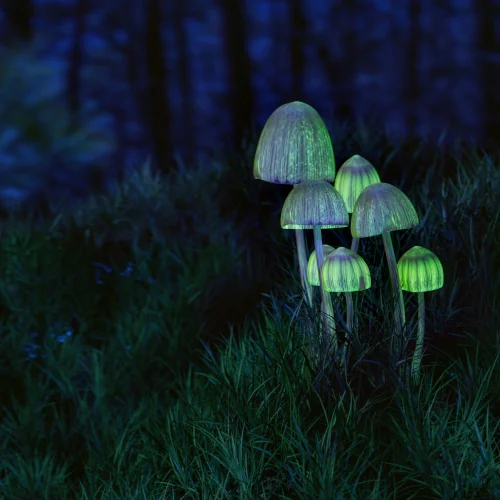
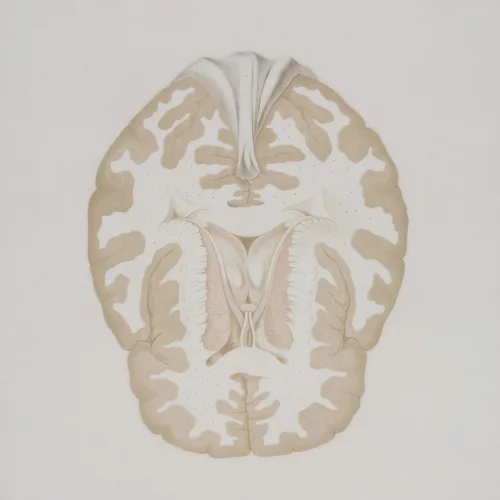
Psilocybin is a naturally occurring psychedelic compound found in certain species of mushrooms. Once ingested, it is converted by the body into psilocin, the substance primarily responsible for its psychoactive effects.
Psilocin closely resembles the neurotransmitter serotonin and binds mainly to the brain’s 5-HT2A receptors. These receptors are especially abundant in areas involved in:
- Self-awareness
- Emotional processing
- Creativity
- Memory
- Decision-making
By activating these receptors, psilocybin significantly alters communication between different brain networks.
The Default Mode Network: The Brain’s Internal Narrator
One of the most significant discoveries in modern psychedelic research involves the Default Mode Network (DMN).
This network is most active when we:
- Reflect on ourselves
- Engage in repetitive thinking or rumination
- Process memories
- Imagine future scenarios
- Reinforce our sense of identity
For this reason, many neuroscientists describe the DMN as the brain’s “ego network.”
Under the influence of psilocybin, activity within the Default Mode Network is often significantly reduced.
Many people experience this as:
- A temporary release from their usual self-image
- Less self-criticism
- Reduced rumination
- A greater sense of openness and mental spaciousness
People living with depression frequently experience excessive rumination. Some researchers therefore believe that the temporary reduction in Default Mode Network activity may contribute to the positive psychological effects reported after experiences with magic mushrooms.
New Connections Between Brain Regions
Under normal circumstances, the brain operates through relatively stable communication networks. Certain regions interact closely with one another, while others remain largely separate.
During a psilocybin experience, however, this pattern changes dramatically.
Brain imaging studies show that regions which rarely communicate under normal conditions begin exchanging information.
In other words, the brain becomes more flexible.
Researchers often compare this process to a freshly snow-covered landscape.
Normally, our thoughts follow well-worn paths through the snow. Psilocybin temporarily allows the brain to explore new routes and establish alternative neural connections.
This increased connectivity may help explain why many people report:
- Creative insights
- New perspectives on life
- Greater awareness of emotional patterns
- Unexpected solutions to personal challenges
Neuroplasticity: Can the Brain Learn New Patterns?
One of the most exciting areas of psychedelic research focuses on neuroplasticity.
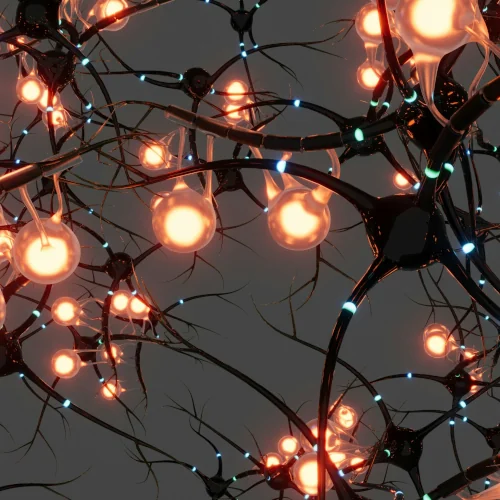
Neuroplasticity refers to the brain’s remarkable ability to form new neural connections and reorganize existing networks throughout life.
Early research suggests that psilocybin may promote biological processes associated with learning, adaptation, and neural flexibility.
This has significant implications for mental health.
Many psychological conditions involve rigid patterns of thinking and behavior. If the brain temporarily becomes more adaptable, new perspectives and healthier thought patterns may become easier to establish.
However, it’s important to recognize that lasting change rarely occurs during the psychedelic experience itself. Instead, meaningful transformation typically develops through the careful integration of insights afterward.
Why Do Perception and Emotions Change?
Psilocybin affects more than just thoughts—it also changes how the brain processes sensory information.
As a result, many people report experiencing:
- More vivid colors
- Altered perception of space and time
- Intensified emotions
- Increased awareness of subtle details
Under normal conditions, the brain filters sensory information efficiently. During a psilocybin experience, this filtering process appears to become less restrictive.
Consequently, more sensory information reaches conscious awareness, creating experiences that many describe as both fascinating and emotionally profound.
A Greater Sense of Connection
Another commonly reported effect is an enhanced sense of connectedness.
Participants often describe:
- Greater compassion
- A deeper connection with nature
- Increased emotional openness
- Stronger interpersonal relationships
Neuroscientists believe these experiences may result from altered communication between emotional and cognitive brain networks.
As the usual boundaries of the self temporarily become less dominant, people often experience themselves, others, and the surrounding world from an entirely new perspective.
Why Does the Environment Matter So Much?
Whether a psilocybin experience is perceived as positive depends on far more than the biological effects of the substance itself.
Equally important are:
- Mindset
- Expectations
- Emotional preparation
- The physical environment
- The quality of guidance and support
Within psychedelic research, these factors are commonly referred to as “set and setting.”
During a psychedelic experience, the brain enters an unusually open and sensitive state. For this reason, a safe, supportive, and professionally guided environment can play a crucial role in helping participants process the experience constructively.
The Importance of Professional Guidance
Modern neuroscience increasingly shows that psilocybin does far more than temporarily alter perception.
It influences fundamental brain networks, increases cognitive flexibility, and encourages new ways of approaching personal challenges.
At the same time, the long-term benefits depend largely on how the experience is prepared, supported, and integrated into everyday life.
For this reason, many people choose structured psychedelic retreats that combine preparation sessions, guided experiences, and post-session integration.
Those interested in learning more about professionally guided psychedelic experiences can find additional information about the 3-Day Psilocybin Retreat in the Netherlands offered by ACSAUHAYA.
Conclusion
Modern neuroscience provides fascinating insights into how psilocybin influences the human brain. During a psychedelic experience, established communication patterns shift, activity within the Default Mode Network decreases, and previously disconnected brain regions begin communicating more freely.
This temporary increase in neurological flexibility may help explain why many people experience profound personal insights, emotional breakthroughs, and lasting shifts in perspective.
Although research continues to explore many unanswered questions, one thing is becoming increasingly clear: the effects of psilocybin extend far beyond altered perception. They offer valuable insights into the nature of consciousness, mental health, psychotherapy, and personal growth.